




Did you know most Olympic swimmers begin training as early as 5 or 6 years…
How to Build a Pre-Swim Routine That Actually Improves Your Performance
March 19, 2026Swimming Habits
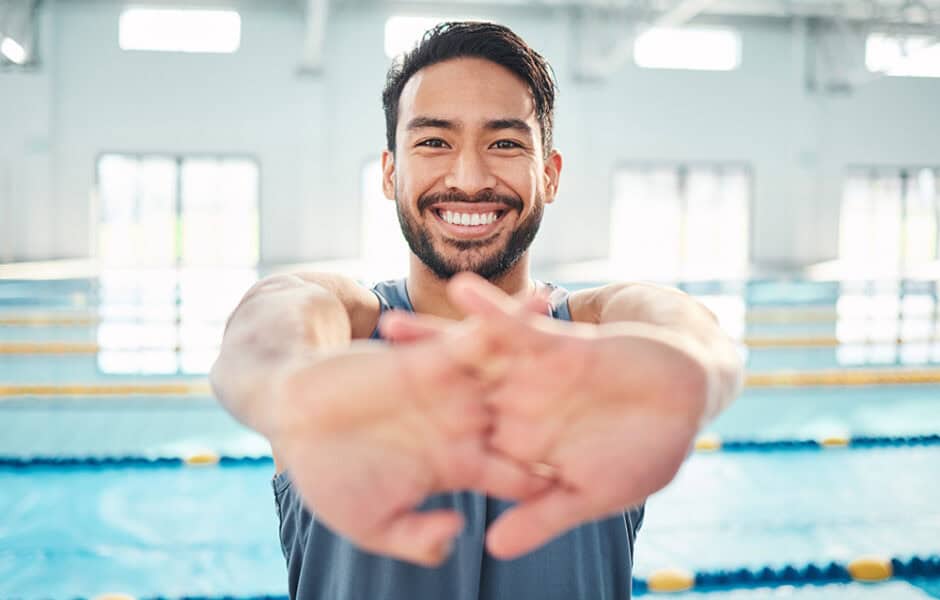
Your pre-pool preparation holds the key to faster splits and stronger finishes. Smart swimmers know that real performance gains happen before you even hit the water, and the right routine makes all the difference.
- Movement-based prep wins every time – Spend 15-20 minutes on dynamic exercises that target shoulders, hips, and ankles. Your muscles stay powerful while gaining the mobility you need for efficient strokes.
- Fuel timing makes or breaks your session – Plan full meals 2-4 hours out, or grab light carbs 1-2 hours before you swim. Your body gets the energy it craves without the digestive drama.
- Mental prep adds serious speed – Visualization and goal-setting aren’t just feel-good extras. They can boost your performance by 20% while turning pre-race nerves into focused energy that works for you.
- Routine consistency separates the fast from the faster – Swimmers with structured warm-up protocols consistently drop time and nail their races. Preparation isn’t just helpful. It’s what separates good from great.
- Early arrival equals activation success – Show up 10-15 minutes before your session starts. This gives you time for land-based movements and mental prep without feeling rushed or scattered.
Great swimming starts on deck, not in the water. Nail your pre-swim routine, and watch those split times drop session after session.
Your pre-swim routine does way more than just get your body ready for laps. Research on Olympic-distance triathletes proves that structured pre-race routines connect directly to faster times and stronger finishes. Swimming fires up as many as fifty muscles simultaneously, from your shoulders down to your glutes, which makes proper preparation absolutely essential for peak performance. Swimmers who lock in a solid pre swim routine set themselves up to succeed before they even touch the water.
Why Every Serious Swimmer Needs a Pre-Pool Protocol
Your body and mind face serious demands every time you hit the water. Performance anxiety strikes over 30% of athletes, and that mental static can tank even the strongest physical preparation. A solid pre-swim routine cuts through the noise, delivering both mental clarity and physical readiness when you need it most.
Cold muscles spell trouble for swimmers. Your shoulders take a beating with every stroke cycle, making a proper warm-up your first line of defense against injury. Smart preparation floods your muscles with blood, opens up your joints, and gets everything moving smoothly. Skip this step, and you’re asking for strains, aches, and subpar performance.
The mental game matters just as much. Swimmers who make visualization part of their pre-pool prep see performance jumps of up to 20%. Your brain can’t tell the difference between a perfectly imagined race and the real thing. That consistent routine becomes your trigger. It tells your nervous system that go-time has arrived, flipping anxiety into focused energy.
Here’s what routines really give you control. When the pressure’s on and your heart’s pounding, following your familiar warm-up sequence cuts through the chaos. You’re not just loosening up your shoulders and hips, you’re building mental toughness and drilling proper movement patterns. Real confidence comes from preparation, not crossed fingers. Every piece of your routine stacks evidence that you’re ready, letting you step onto those blocks knowing you’ve earned your spot there.
Your Stretch Game Plan: Movement That Moves the Needle
Dynamic beats static every single time for pool prep. Those long, 60-second static holds actually slow your muscle activation rates and kill the explosive power you need off the blocks. When you hold stretches too long, you’re essentially telling your muscles and tendons to chill out right when you need them firing on all cylinders for starts and turns. Your pre swim stretch routine should get tissues moving and grooving while opening up that range of motion.
Your hips run the show for efficient swimming. Tight hips throw your body alignment completely out of whack, crush your kick efficiency, and force your lower back and knees to pick up the slack. Hip circles from an athletic stance activate the joint through its full range beautifully. Modified squats and sumo squats fire up those hip flexors while hitting inner thigh muscles for rock-solid knee stability. Breaststrokers, this is your bread and butter – powerful kicks live and die by hip mobility.
Those shoulders need equal love and attention. Forward and backward arm circles with gradually bigger diameters get that glenohumeral joint loose and ready. Cross-body arm swings open up the chest and upper back perfectly. Forearm wall slides engage your scapular muscles without overworking the traps, teaching your shoulder blades proper control patterns.
Ankle flexibility directly drives your kicking speed. Ankle circles, toe points, and dorsiflexion movements prep the joint for that plantar flexion power you need across freestyle, backstroke, and butterfly. A solid pre swim routine clocks in at 15-20 minutes, hitting these three game-changing areas before you even think about touching the water.
Creating Your Complete Pre-Swim Routine
The RMAP model takes your preparation game beyond basic stretching. Release techniques using foam rollers knock out muscle tension. Mobilization flows through dynamic movements that prime your body. Activation fires up those stabilizing muscles, while priming exercises like jumps crank up nerve conduction velocity.
Fuel timing makes or breaks your pool performance. Get your bigger meals down 2 to 4 hours before you hit the water for proper digestion. Think wholegrain cereal with milk, fruit salad with yogurt, or sandwiches packed with lean meat. These deliver the sustained energy your stroke rate demands. Training session creeping up within 1-2 hours? Lighter options work like magic. Grab a banana, toast with peanut butter, or blend up a smoothie for quick carbs that won’t leave you feeling heavy. When you’re cutting it close with less than an hour, stick to easily digestible carbs like granola bars, graham crackers, or rice cakes.
Hydration strategy separates the prepared from the unprepared. You’ll burn through 16-24 ounces of water during a solid 1-hour workout. Down an electrolyte beverage about 90 minutes before pool time to maximize blood plasma volume. Morning swimmers, here’s your edge: wake up 60 to 90 minutes before training. This window gives you time for light fuel, mental prep, and that crucial 10 to 15 minutes early arrival for land-based activation work.
Conclusion
A well-structured pre swim routine transforms physical preparation and mental readiness into tangible performance gains. The combination of dynamic stretching, strategic nutrition timing, proper hydration, and consistent execution creates the foundation for success. Swimmers who commit 15-20 minutes to this protocol before each session will experience improved mobility, reduced injury risk, and enhanced confidence. The difference between average and exceptional performance often comes down to preparation. Start building this routine today and watch performance metrics improve consistently over time.
FAQs
Q1. How long should a pre-swim warm-up routine last?
A complete pre-swim warm-up should span 15-20 minutes. This timeframe allows you to adequately address shoulder mobility, hip flexibility, and ankle preparation through dynamic movements without over-fatiguing your muscles before entering the water.
Q2. What should I eat before swimming and when?
For optimal performance, eat a larger meal 2-4 hours before swimming, such as wholegrain cereal with milk or sandwiches with lean meat. If you’re swimming within 1-2 hours, choose lighter options like a banana or toast with peanut butter. For sessions starting in less than an hour, stick to easily digestible carbohydrates like granola bars or rice cakes.
Q3. Why are dynamic stretches better than static stretches before swimming?
Dynamic stretches are superior for pre-swim preparation because static stretches held for more than 60 seconds can slow muscle activation rates and reduce explosive power needed for starts and turns. Movement-based exercises warm tissues while improving range of motion without impairing performance.
Q4. How much water should I drink before and during swimming?
Drink 16-24 ounces of water during a 1-hour workout. For optimal hydration, consume an electrolyte beverage about 90 minutes before entering the pool to optimize blood plasma volume and maintain proper hydration levels throughout your session.
Q5. What are the key areas to focus on in a pre-swim stretch routine?
Focus on three critical areas: shoulder mobility through arm circles and wall slides, hip flexibility using hip circles and modified squats, and ankle mobility with ankle circles and toe points. These areas are essential because swimming engages multiple muscle groups simultaneously and requires full range of motion for efficient technique.